The Illusion of Guaranteed Wins
One of the most persistent myths in casino gambling is the belief that players can guarantee winnings through certain strategies or systems, especially when considering options like australian online pokies payid , where many individuals are drawn to the idea of a foolproof method to beat the house. However, it is essential to understand that games in casinos are designed with a built-in house edge, ensuring that the establishment profits over time, regardless of players‘ tactics. This means that while players may experience short-term wins, the long-term reality is that the odds favor the house. No strategy can entirely eliminate this mathematical reality, and players should approach gambling with this understanding in mind.

Another common misconception is that previous outcomes influence future results, especially in games based on chance like roulette or slots. This belief, often referred to as the gambler’s fallacy, leads players to assume that if a number hasn’t come up in a while, it is „due.“ In reality, each spin or shuffle is independent, and the probabilities remain the same. As a result, chasing losses or relying on past patterns can lead to further financial loss rather than a successful gaming strategy. Recognizing that each game is an isolated event is crucial for maintaining a rational approach to gambling.
Moreover, many players mistakenly think that they can master a game like poker through sheer willpower or luck alone. While skill does play a significant role in poker, it is crucial to recognize that the best players invest years in understanding game theory, psychology, and probability. Relying solely on luck can lead to disappointment, as the game rewards those who take the time to refine their skills and adapt their strategies to shifting dynamics at the tables. Understanding the complexities of poker can significantly enhance a player’s experience and success, but it requires dedication beyond mere chance.
The Misunderstanding of Casino Atmosphere
Many people believe that casinos are designed purely to entice players into gambling excess by creating an exhilarating atmosphere. While it is true that the décor, music, and layout are engineered for maximum engagement, this misunderstanding can lead to an oversimplification of the gambling experience. The ambiance of a casino is not just about seduction; it also serves a functional purpose of comfort and ease for players, allowing them to feel at home as they enjoy their chosen games. This careful design ensures that patrons can immerse themselves in a pleasurable environment, enhancing their overall enjoyment.
This immersive environment is meant to enhance enjoyment rather than solely provoke reckless behavior. Many casinos have become aware of the importance of responsible gaming and have implemented practices that promote a safe gambling experience. For example, they often provide resources for self-control, such as setting limits on betting and offering self-exclusion programs. This focus on player welfare highlights that the intention behind the casino experience is not merely to exploit but to create a space where responsible gaming can occur. By promoting safe practices, casinos aim to cultivate a community of informed and responsible players.
Additionally, the misconception that the casino environment is solely about gambling fails to recognize the diverse range of amenities available. Many casinos offer restaurants, entertainment, and shopping options that enhance the overall experience. This multifaceted approach shows that while gambling is a central attraction, it is often part of a more extensive array of entertainment options designed to encourage social interaction and community building among visitors. This diverse offering allows patrons to enjoy a complete outing, making casinos appealing to a broader audience beyond just gamblers.
The Myth of Gambling Addiction as a Norm
Another prevalent myth is that gambling addiction is an inevitable outcome for anyone who engages in casino gaming. While it is true that gambling can lead to addiction for some individuals, it is crucial to recognize that not everyone who gambles will develop an addiction. Many players gamble recreationally and responsibly, enjoying the excitement without letting it dominate their lives. This myth perpetuates stigma and can deter people from enjoying casinos as an entertainment option. Understanding that moderation is key can help dispel unfounded fears about the dangers of gambling.
Research has shown that while certain factors can increase the risk of developing a gambling addiction—such as mental health issues or a family history of addiction—most gamblers engage with the activity in moderation. Awareness and education about responsible gaming are essential for reducing harmful stereotypes. By fostering a culture of responsibility within casinos, operators can help mitigate the risk of addiction and encourage healthier gambling habits among their patrons. This proactive approach benefits both individuals and the overall atmosphere of the gaming environment.
Education plays a vital role in dispelling the myths surrounding gambling addiction. By providing information about the signs of problem gambling and where to seek help, casinos can empower their customers to make informed choices. This proactive approach not only benefits individuals but also promotes a more positive gaming environment for everyone, emphasizing the importance of moderation and awareness over fear and stigma. By highlighting responsible gambling initiatives, casinos can contribute to a healthier public perception of gaming.
The Fallacy of Winning Streaks
It is often believed that winning streaks are a clear indication of a player’s skill or luck, leading many to chase the thrill of continued success. However, this assumption overlooks the reality of variance inherent in gambling. In many games, including slot machines and table games like blackjack, players may experience alternating patterns of wins and losses. These winning streaks can create a false sense of confidence, leading individuals to make larger bets in hopes of extending their luck, which can ultimately result in significant losses. Understanding the inherent randomness of gambling can help players manage their expectations and approach the game with a more level-headed mindset.
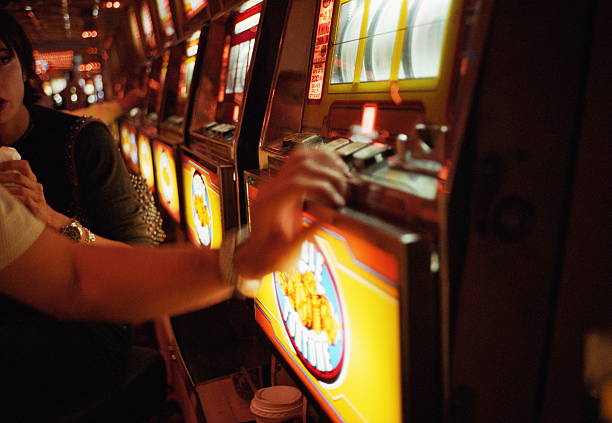
Additionally, the concept of „hot“ and „cold“ machines at slot games perpetuates the myth that players can predict outcomes based on their experiences. This belief can result in misguided strategies where players spend more time on specific machines, convinced they will hit a jackpot. It is important to remember that each spin of a slot machine is a separate event, unaffected by previous outcomes, thus negating any predictive power based on past experiences. By understanding the mechanics behind these games, players can make more informed choices rather than relying on superstition or anecdotal evidence.
Understanding the randomness of gambling outcomes is key to maintaining a healthy relationship with games of chance. Educating players about statistical realities can help them make more informed decisions and reduce the emotional highs and lows associated with gambling. Knowing that winning streaks can happen but are not a reliable basis for future success can foster a more balanced and enjoyable approach to gaming. By focusing on the experience rather than solely on outcomes, players can find fulfillment in the enjoyment of the game itself.
Understanding the Online Casino Experience
With the rise of digital platforms, many myths have emerged regarding online casino gameplay. One of the most common misconceptions is that online gambling is less regulated than brick-and-mortar establishments. In reality, reputable online casinos operate under strict regulations and are subject to regular audits to ensure fair play and secure transactions. Licensing and oversight are critical in maintaining industry integrity, which means that players can often find safe environments to enjoy their favorite games from the comfort of their homes. This level of regulation ensures that players can trust the systems in place to protect their interests.
Another myth is that online games are less honest or fair compared to traditional casinos. Many people believe that the random number generators (RNGs) used in online games can be manipulated. However, trusted online casinos employ standardized RNGs that are regularly tested for fairness. This transparency helps ensure that every player has an equal chance of winning, just like in a land-based casino. Understanding this technology can provide players with peace of mind as they participate in online gaming, alleviating concerns about the integrity of the games.
Lastly, there is a misconception that online gambling is less social than in-person gaming. While it may lack the physical presence of fellow players, many online casinos feature live dealer games and interactive chat functions that allow players to engage with each other in real-time. This virtual interaction can create a similar social experience, helping build community among players even when they are geographically apart. As technology continues to evolve, the online gaming experience is becoming increasingly immersive and connected, offering players new ways to enjoy the social aspects of gambling.