
The Nature of Casino Games
Casino games can be categorized broadly into two types: games of chance and games of skill. Games of chance, such as slots and roulette, are primarily driven by random outcomes, where players have little to no control over the result. In contrast, games of skill, like poker and blackjack, require a combination of strategy, experience, and decision-making, which is why many enthusiasts search for options like new betting sites australia to enhance their gaming experience. Understanding this distinction is crucial for gamblers as it influences their approach and expectations when playing.
The randomness of games of chance offers a certain thrill, as players can experience significant wins with a mere pull of a lever or a spin of the wheel. However, these wins are often short-lived, as the house edge ensures that, over time, the casino will profit. In contrast, games of skill reward those who invest time in learning strategies and honing their abilities. This dynamic creates a unique environment where both types of games can appeal to different types of players, each seeking a distinct gaming experience.
The interaction between luck and skill also leads to debates among enthusiasts and experts alike. Some argue that the thrill of luck is what keeps players engaged, while others contend that skill enhances the gaming experience, allowing for long-term success. Understanding the balance between these two elements is essential for anyone interested in gambling, as it can determine not only enjoyment but also the potential for profit.
The Role of Luck in Gambling
Luck is an undeniable factor in gambling, particularly in games of chance. The outcomes are governed by random number generators and other mechanisms designed to ensure fairness and unpredictability. This randomness means that any player, regardless of experience, can hit a jackpot or lose everything in a matter of seconds. This unpredictability is what many find appealing, as it adds an element of excitement to the gaming experience.
However, relying solely on luck can be a double-edged sword. While a lucky streak can lead to significant financial gains, poor luck can lead to devastating losses. Many players fall into the trap of believing that past outcomes can influence future results—a phenomenon known as the gambler’s fallacy. This misconception can skew their decision-making process, leading to riskier bets in hopes of recapturing losses, further emphasizing the importance of understanding luck’s role.

For many, luck plays a psychological role as well. The thrill of the unknown can trigger emotional responses, leading to a heightened state of excitement or despair. This emotional rollercoaster can make gambling addictive for some, who continuously chase the next big win that luck might bring. Thus, while luck is an integral part of gambling, it is also crucial for players to manage their expectations and understand the inherent risks involved.
The Significance of Skill in Gambling
In contrast to luck, skill is often what separates successful gamblers from casual players. Games like poker and blackjack require a deep understanding of game mechanics, probabilities, and opponent behavior. Players who develop their skills can make informed decisions that significantly increase their chances of winning. Over time, experienced players tend to demonstrate higher success rates than novices, highlighting the importance of skill in these contexts.
Moreover, the ability to analyze situations and adapt strategies can lead to a more rewarding experience. For instance, a seasoned poker player can utilize psychological tactics to read opponents and influence their decisions. This level of strategic thinking emphasizes the importance of not only mastering the game but also understanding human behavior, which adds layers of complexity that pure luck cannot provide.
Investment in skill development can also lead to a sense of accomplishment and personal growth. Many players find joy in learning and refining strategies, turning gambling into a challenging endeavor rather than mere entertainment. By actively engaging in skill-based games, players can cultivate patience, discipline, and critical thinking—qualities that extend beyond the casino floor and into other aspects of their lives.
The Balance Between Luck and Skill
The relationship between luck and skill in casino gambling is often portrayed as a delicate balance. While luck can temporarily influence outcomes, skill plays a pivotal role in shaping a player’s long-term success. This interplay is what makes the gambling landscape so diverse and intriguing. Understanding how to optimize both luck and skill can lead to more fulfilling and prosperous gambling experiences.
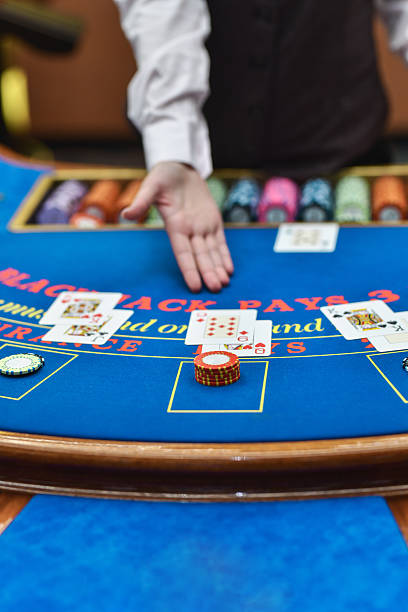
Many players gravitate toward games that offer a more skill-based approach, as they provide an opportunity to influence the outcome through strategy and decision-making. However, it is essential to recognize that even in skill-based games, luck still plays a critical role. For instance, a skilled poker player may consistently make the right decisions, but they are still susceptible to the luck of the cards dealt. Thus, a complete understanding of both elements allows players to strategize effectively while remaining realistic about their control over the outcomes.
Ultimately, successful gamblers learn to appreciate the unpredictability of luck while diligently honing their skills. This dual focus not only enhances the enjoyment of the game but also fosters a deeper understanding of gambling as a whole. By recognizing the nuances of both luck and skill, players can approach gambling with a balanced mindset, leading to a more fulfilling experience.
Exploring Further on Gambling and Strategy
For those interested in diving deeper into the world of gambling, various resources are available that provide insights into both the art of skill development and the understanding of luck. Websites dedicated to gambling strategy often feature tutorials, expert opinions, and forums where players can share their experiences. Engaging with these resources can significantly improve a player’s understanding and performance. Accessing such platforms can be invaluable for those looking to refine their strategies or simply gain a better grasp of the games they enjoy.
Additionally, many publications examine the psychological aspects of gambling, shedding light on the emotional and behavioral components that influence decision-making. Understanding these factors can empower players to make more rational choices and manage their gambling habits effectively. By fostering a community of informed gamblers, the conversation surrounding luck versus skill continues to evolve and expand, offering insights that can benefit both novice and seasoned players alike.
As technology advances, the landscape of gambling will undoubtedly shift. Online platforms are increasingly integrating skill-based elements, allowing for unique gameplay experiences. Staying informed about these trends can help players navigate the changing environment and adapt their strategies accordingly. By embracing both luck and skill, players can enhance their overall gambling experience and enjoy the thrill that the casino world has to offer. As the industry evolves, so too will the strategies and techniques that players employ to maximize their enjoyment and potential success.
